How Does Emotional Intelligence Contribute to Self-Awareness?

In today’s world, emotional intelligence and self-awareness are key to achieving success in both personal and professional aspects of life. However, many people still struggle to understand how these two concepts are interconnected and why they are so essential. Emotional intelligence (EI) plays a crucial role in developing self-awareness, enabling individuals to better manage their emotions, respond effectively to others, and make more thoughtful decisions.
This blog post will explore what emotional intelligence and self-awareness mean, how they are similar and different, and how emotional intelligence fosters greater self-awareness. We will also look at the benefits of being self-aware, the downsides of lacking self-awareness, and how coaching can help improve both emotional intelligence and self-awareness, helping people move from feeling stuck to thriving.
Quick Post Navigation
What is Emotional Intelligence?
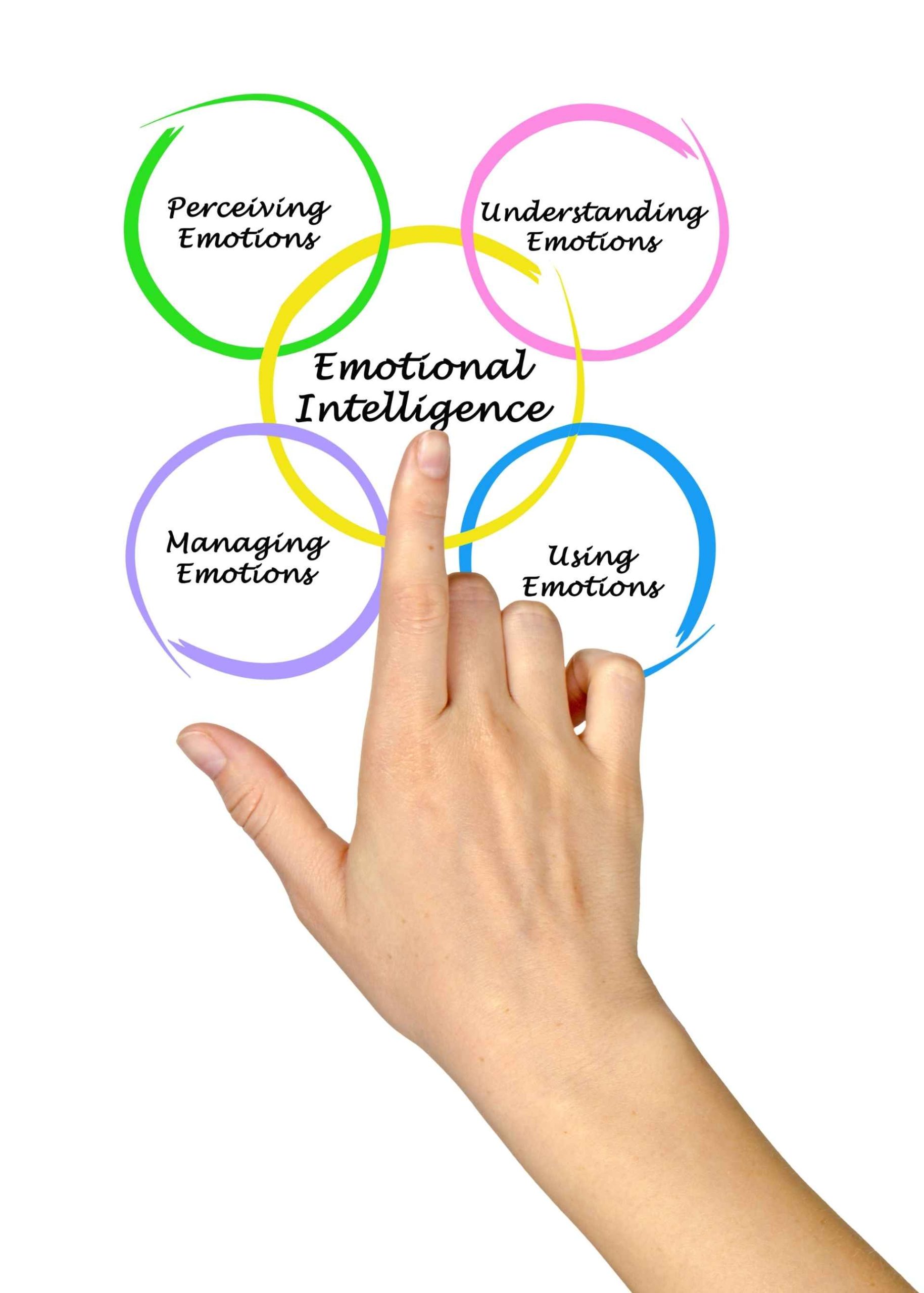
Emotional intelligence is the ability to recognise, understand, and manage your own emotions, as well as those of others. It encompasses several essential components, including:
1. Self-awareness: Understanding your emotions and how they influence your thoughts and actions.
2. Self-regulation: The ability to control impulsive feelings and behaviours.
3. Motivation: Being driven to achieve goals for personal reasons, not just external rewards.
4. Empathy: Recognising the emotions of others and understanding their perspectives.
5. Social skills: Managing relationships and building effective communication and rapport.
High emotional intelligence allows people to navigate their emotions and social interactions more effectively, leading to better decision-making, stronger relationships, and improved personal well-being. It is a skill that can be developed over time with self-reflection and practice.
What is Self-Awareness?
Self-awareness is the ability to clearly understand your emotions, behaviours, thoughts, and values. It is the foundation of emotional intelligence because it involves recognising how your feelings impact your actions and decisions.
Self-awareness also includes understanding how others perceive you.
There are two main types of self-awareness:
1. Internal self-awareness: This refers to knowing your inner self—your values, emotions, motivations, and how they influence your behaviour.
2. External self-awareness: This involves understanding how others view you, being aware of how your actions affect others, and adjusting your behaviour accordingly.
Self-awareness helps you make better decisions that align with your goals and values, improves relationships, and allows for personal growth. Self-awareness is also crucial for identifying areas for improvement, leading to more intentional behaviours and better emotional regulation.
Similarities and Differences Between Emotional Intelligence and Self-Awareness
Similarities
Both emotional intelligence and self-awareness focus on understanding and managing emotions, making them closely related concepts. Self-awareness is a fundamental part of emotional intelligence. Without self-awareness, it’s nearly impossible to regulate emotions effectively or empathise with others—skills central to emotional intelligence.
Both self-awareness and emotional intelligence rely on introspection. They involve the ability to reflect on your emotional state, assess your strengths and weaknesses, and understand how your emotions influence your actions. Developing emotional intelligence requires building a deep sense of self-awareness, as it’s the first step toward managing emotions and understanding the emotional states of others.
Differences
Despite their similarities, emotional intelligence and self-awareness are distinct in their scope. Self-awareness is more internally focused—it’s about understanding your own emotions, values, and how they affect your behavior. It’s a self-reflective process that primarily concerns personal growth and emotional regulation.
Emotional intelligence, however, has a broader focus. It includes self-awareness but extends to understanding and managing the emotions of others, demonstrating empathy, and developing strong interpersonal skills. While self-awareness is about understanding yourself, emotional intelligence also involves responding to the emotions of those around you, making it a more outward-facing skill set.
In short, self-awareness is an integral part of emotional intelligence, but emotional intelligence also includes social skills and empathy, making it broader in scope.
How Emotional Intelligence Contributes to Self-Awareness
Emotional intelligence plays a significant role in fostering and enhancing self-awareness. Here’s how emotional intelligence contributes to self-awareness:
1. Recognising Emotions in Real Time
One of the key aspects of emotional intelligence is the ability to recognise emotions as they arise. People with high emotional intelligence are attuned to their emotional shifts and can identify how they are feeling at any given moment. This real-time recognition is critical for developing self-awareness because it allows individuals to pause and reflect on what emotions they are experiencing and why.
By practising emotional recognition, individuals become more self-aware, gaining insights into their emotional triggers, responses, and patterns. This self-awareness helps in regulating emotions more effectively, preventing impulsive reactions, and enabling thoughtful responses to situations.
2. Understanding Emotional Triggers
Emotional intelligence also involves understanding the root causes of emotions and identifying specific triggers. This process helps individuals recognise what situations, interactions, or thoughts provoke certain emotional responses, such as stress, anger, or anxiety.
Through emotional intelligence, individuals can trace their emotional responses back to their triggers, leading to a more profound understanding of their emotional landscape. This insight significantly boosts self-awareness because it helps individuals anticipate emotional reactions and prepare for them, leading to better emotional control and decision-making.
3. Enhancing Emotional Regulation
One of the core aspects of emotional intelligence is emotional regulation—the ability to manage and modify your emotions in a healthy way. Once individuals become aware of their emotions and triggers, emotional intelligence helps them regulate those emotions, preventing them from acting on impulses or letting emotions cloud their judgment.
This emotional regulation further contributes to self-awareness by allowing individuals to evaluate their emotional responses and adjust them based on the context. Over time, people become more aware of how their emotions influence their behaviour, leading to more intentional actions and improved interpersonal relationships.
4. Empathy and External Self-Awareness
Empathy, a key component of emotional intelligence, allows individuals to understand and connect with the emotions of others. This skill fosters external self-awareness by encouraging individuals to reflect on how their emotions and behaviour impact those around them.
When people are more empathetic, they become more aware of how others perceive them, which is crucial for developing a well-rounded sense of self-awareness. Empathy helps people adjust their behaviour to align with their values and build stronger, more positive relationships with others.
5. Encouraging Self-Reflection
Emotional intelligence encourages regular self-reflection, a practice that is essential for building self-awareness. People with high emotional intelligence are more likely to reflect on their emotional experiences, assess their behaviour in various situations, and evaluate the outcomes of their emotional responses.
This self-reflection process allows individuals to continuously improve their emotional awareness and regulation, enhancing self-awareness over time. By regularly reflecting on emotions, actions, and their impact, individuals gain a deeper understanding of themselves and can make more intentional choices that align with their values and goals.
The Benefits of Being Self-Aware
Being self-aware offers numerous advantages that positively affect all aspects of life. Some of the key benefits of self-awareness include:
– Better Emotional Regulation: Self-awareness helps individuals recognise their emotions as they arise, enabling them to respond thoughtfully rather than react impulsively.
– Improved Decision-Making: Self-aware people make more informed decisions because they understand how their emotions influence their choices. They can align decisions with their long-term goals and values.
– Stronger Relationships: Understanding your own emotions and recognising how your behaviour affects others leads to more effective communication and stronger, healthier relationships.
– Personal Growth: Self-aware individuals are more likely to recognise areas for self-improvement and actively work on personal development. They are open to feedback and can identify habits that hinder their progress.
– Increased Confidence: Knowing your strengths and weaknesses fosters a sense of self-assurance. Self-aware people are more confident because they understand their capabilities and limitations, allowing them to navigate challenges effectively.
The Downsides of Not Being Self-Aware
A lack of self-awareness can have negative consequences, both personally and professionally.
Some of the downsides include:
– Emotional Reactivity: Without self-awareness, people are more likely to react emotionally rather than respond thoughtfully. This can lead to conflicts, misunderstandings, and damaged relationships.
– Poor Decision-Making: When individuals are unaware of how their emotions influence their decisions, they may make impulsive or irrational choices, resulting in negative outcomes.
– Damaged Relationships: Lack of self-awareness can cause individuals to misinterpret others’ emotions or fail to recognise how their behaviour impacts others, leading to strained relationships.
– Missed Growth Opportunities: People who are not self-aware are less likely to recognise their weaknesses and areas for improvement, leading to stagnation and missed opportunities for personal and professional growth.
– Feeling Stuck: Without understanding the emotional or behavioural patterns that hold them back, individuals may remain stuck in unproductive cycles, unable to break free and progress toward their goals.
How Coaching Can Help with Emotional Intelligence and Self-Awareness
Coaching is an invaluable tool for developing emotional intelligence and increasing self-awareness. Through targeted techniques, coaches help individuals explore their emotions, recognise patterns, and gain insights into their emotional responses.
Coaching for Emotional Intelligence
1) Reflective Practices: Coaches guide individuals through reflective exercises to explore their emotional experiences and how they react in different situations. This builds emotional intelligence by helping clients recognise and understand their emotions.
2) Empathy Building: Coaches help individuals strengthen their empathy skills, fostering a better understanding of others’ emotions. This, in turn, boosts external self-awareness, allowing clients to develop stronger relationships and improve their interpersonal skills.
3) Emotional Regulation Strategies: Coaches offer tools for managing emotions more effectively. Whether it’s through mindfulness techniques or cognitive reframing, coaching helps individuals regulate their emotions, leading to better decision-making and self-control.
Coaching for Self-Awareness
1) Goal Setting and Reflection: Coaches work with clients to set clear, meaningful goals that align with their core values. This reflection fosters greater self-awareness as clients explore their motivations and desires.
2) Feedback and Accountability: Coaches provide constructive feedback and hold clients accountable for their actions and progress. This helps individuals become more aware of patterns and behaviours that may be holding them back.
3) Breaking Unproductive Patterns: Coaching helps clients move from being stuck to becoming unstuck by enhancing both emotional intelligence and self-awareness. As individuals become more self-aware, they can take deliberate actions to break negative cycles and achieve their personal and professional goals.
Conclusion
Emotional intelligence and self-awareness are deeply connected, with emotional intelligence playing a key role in developing and enhancing self-awareness. Emotional intelligence helps individuals recognise and understand their emotions, identify emotional triggers, and manage their emotional responses. As a result, individuals become more self-aware, which leads to better decision-making, improved emotional regulation, and stronger relationships.
On the other hand, a lack of self-awareness can result in impulsive emotional reactions, poor decisions, and strained relationships. Fortunately, coaching can help individuals develop both emotional intelligence and self-awareness by offering guidance, support, and accountability.
With the right tools and practices, emotional intelligence and self-awareness can be developed, helping individuals move from feeling stuck to living a more intentional, fulfilled, and successful life.
Share
Please share your thoughts and experiences with self-doubt in the comments section below
If you know anyone who may be looking to improve their emotional intelligence or work on their self-awareness please share this post with them or share it directly on your social media
References
Goleman, D. (1995). Emotional Intelligence: Why It Can Matter More Than IQ. Bantam Books.
Bradberry, T., & Greaves, J. (2009). Emotional Intelligence 2.0. TalentSmart.
Brown, B. (2012). Daring Greatly: How the Courage to Be Vulnerable Transforms the Way We Live, Love, Parent, and Lead. Gotham Books.
Neff, K. (2011). Self-Compassion: The Proven Power of Being Kind to Yourself. HarperCollins.
Boyatzis, R., & McKee, A. (2005). Resonant Leadership: Renewing Yourself and Connecting with Others Through Mindfulness, Hope, and Compassion. Harvard Business Review Press.