How to Build Motivation and Productivity: Strategies for Success

Motivation and productivity are crucial elements for achieving success in both personal and professional life.
However, while these two terms are often used interchangeably, they are not the same.
Motivation refers to the internal drive or inspiration that pushes us to start something, whereas productivity is about effectively and efficiently completing tasks to achieve results. Many people struggle to maintain motivation over time, which can impact their overall productivity.
Understanding the difference between the two and learning how to balance and boost them both is essential for long-term achievement.
What Are Motivation and Productivity?
Motivation
Motivation is the psychological drive that encourages individuals to start a task or achieve a goal. It’s the internal or external factors that inspire action, whether that’s pursuing a passion, achieving professional growth, or managing everyday responsibilities.
Motivation can be intrinsic (coming from within, such as personal fulfilment or passion) or extrinsic (coming from outside, like rewards, recognition, or avoiding negative consequences).
Productivity
Productivity, however, focuses on the efficiency and effectiveness with which these tasks and goals are accomplished. It’s not just about being busy; it’s about using your time, energy, and resources in a way that maximises results.
Productivity involves planning, prioritising, and executing tasks in a manner that yields consistent outcomes.
In this blog post, we’ll explore the concepts of motivation and productivity, why they differ, and why people often struggle to sustain them. We’ll also look into the reasons why people lose motivation, why it’s a limited resource, and how to reignite it when it fades.
Additionally, we’ll cover ways to remain productive even without motivation by building discipline, resilience, and structure.
We’ll discuss common causes of unproductivity and strategies to boost productivity.
Finally, we’ll explain how coaching can be an invaluable resource for building and maintaining both motivation and productivity, helping you move from feeling stuck to becoming unstuck and thriving.

Quick Site Navigation
The Difference Between Motivation and Productivity
While motivation is the initial spark that propels us into action, productivity is about maintaining that action to reach our objectives. Motivation can fluctuate based on mood, circumstances, and energy levels, making it a temporary state. On the other hand, productivity is rooted in consistent habits, time management, and discipline.
It’s the system that ensures work gets done, regardless of how motivated you feel.
Therefore, while motivation may help you begin a task, productivity sustains you until it’s complete.
Understanding this distinction is crucial for long-term success and building systems that work even when motivation fades.
Why Do People Struggle with Motivation?
It’s common for individuals to struggle with maintaining motivation. There are several reasons why this happens:
- Lack of Clear Goals
Without specific, achievable goals, it’s easy to feel lost or overwhelmed. Ambiguous or unrealistic goals can create confusion and reduce the motivation needed to take action. - Burnout and Overwhelm
When people are overwhelmed by their workload or responsibilities, they can experience burnout. This emotional exhaustion makes it challenging to stay motivated because the tasks at hand seem insurmountable. - Fear of Failure
Many people are afraid of failing, and this fear can paralyse them. When fear becomes overwhelming, it can prevent people from taking action, ultimately diminishing motivation. - Lack of Purpose
If someone doesn’t see the purpose or value in what they are doing, they may lose interest and motivation.
Connecting tasks to personal values or long-term goals is essential to maintaining enthusiasm. - External Influences
Stressful circumstances, such as health issues, personal conflicts, or financial difficulties, can drain motivation. When external factors feel beyond control, it’s easy to feel stuck and demotivated.
Understanding these common obstacles is important because it helps pinpoint the underlying issues and address them directly. By recognising these barriers, you can begin to implement effective strategies that reignite and sustain motivation.
Why Motivation is Limited and How to Regain It
Motivation is powerful but finite. Here’s why it’s limited and strategies to help you regain it when it’s depleted:
- Emotional and Mental Exhaustion
Motivation requires energy, and when you’re emotionally or mentally exhausted, it’s hard to feel motivated. Managing your energy levels is crucial because motivation tends to decrease when you are overwhelmed or fatigued.
- Diminished Reward Effect
When motivation is driven by external rewards (like money or recognition), it can fade as those rewards become routine. Over time, they lose their appeal, making it less effective as a motivating factor.
- Stagnation or Lack of Progress
If people don’t see results or progress in their efforts, they may lose motivation. Seeing even small wins is vital for maintaining momentum and enthusiasm.

How to Regain Motivation
1 ) Reevaluate Your Goals: Examine your goals to make sure they are specific, realistic, and connected to your personal values. If they feel too vague or distant, break them down into smaller, manageable tasks that feel more achievable.
2) Connect with Your Purpose: Reconnect with the reasons why you started. Find meaning in your goals by understanding how they align with your long-term aspirations or personal values.
3) Celebrate Milestones: Acknowledge small achievements and celebrate your progress. This positive reinforcement can boost your motivation and build momentum.
4) Adjust Your Environment: Sometimes, changing your surroundings or social influences can help reignite your motivation. Surround yourself with supportive people or create a workspace that inspires you.
5) Take Rest Periods: If you’re experiencing burnout, taking short breaks or a rest period can restore your energy levels and motivation.
By understanding and managing the factors that influence your motivation, you can sustain it more effectively and reignite it when necessary.
How to Stay Productive Without Motivation
Motivation is not always present, so it’s essential to build productivity systems that don’t rely solely on motivation. Here’s how resilience, discipline, and integrity play a role:
Resilience
Resilience is the ability to keep moving forward despite difficulties or setbacks. It’s about bouncing back when things don’t go as planned and maintaining momentum, even when motivation is low. Developing a resilient mindset helps you focus on solutions rather than obstacles.
Discipline
Discipline is the foundation for consistent productivity. While motivation gets you started, discipline ensures you keep going even when you don’t feel like it. Establishing daily routines and habits can make it easier to stay productive without relying on fluctuating motivation levels.
Integrity
Integrity is about staying true to your commitments and following through, regardless of the circumstances. It’s about taking responsibility for your actions and completing tasks because they align with your values, not just because you feel motivated to do so.
Productivity Strategies When Motivation is Low
1. Time Management Techniques: Use time-blocking strategies to schedule specific periods for tasks. This structured approach minimises distractions and helps build focus, even when motivation is lacking.
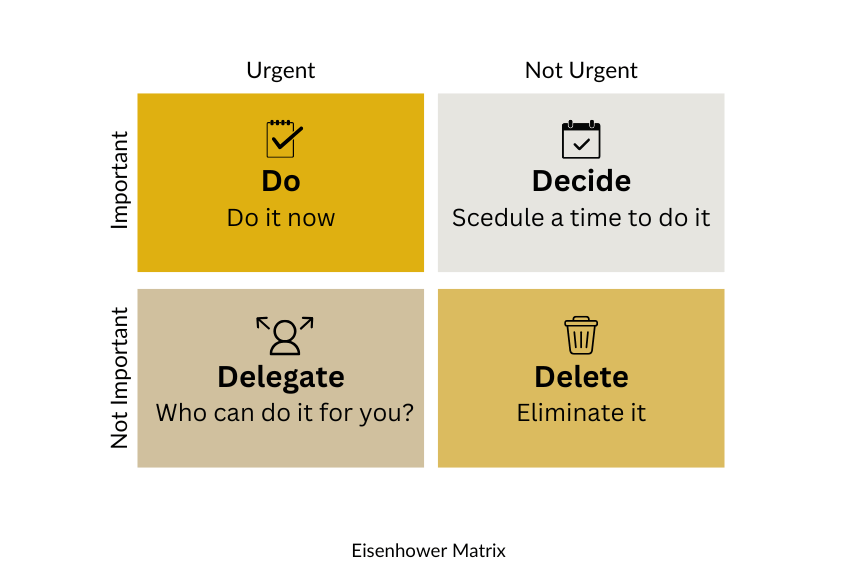
2. Prioritise Effectively: Use prioritisation tools like the Eisenhower Matrix to focus on what’s most important. This helps you allocate time and energy to tasks that have the most impact.
3. Create Productive Habits: Establish habits like starting your day with a set routine or scheduling focus sessions. These habits become automatic over time, reducing the need for motivation.
4. Accountability Partners: Find someone to keep you accountable. Knowing someone else is monitoring your progress can encourage you to stay productive, even when your motivation is low.
By building a system based on resilience, discipline, and integrity, you can remain productive regardless of your motivational state, turning productivity into a sustainable habit.
Why People Become Unproductive
Many factors can lead to unproductivity, often related to a lack of effective habits or strategies. Here are some common reasons people become unproductive:
1. Procrastination
One of the biggest obstacles to productivity, procrastination occurs when tasks feel too overwhelming or difficult. Delaying action often results in last-minute rushes, stress, and incomplete work.
2. Distractions
In today’s digital age, distractions are constant. Social media, notifications, and the urge to multitask can significantly reduce concentration and productivity. These distractions prevent individuals from engaging in deep work.
3. Lack of Prioritisation
When there is no clear prioritisation, it’s easy to focus on tasks that don’t align with long-term goals. Without a clear plan, people may spend time on activities that don’t contribute to their success.
4. Burnout and Fatigue
When people neglect their physical or mental well-being, they become exhausted. Fatigue lowers concentration levels and reduces the ability to complete tasks effectively.
5. No Clear Routine or Structure
Without a consistent routine or structure, productivity can be sporadic. Lacking a framework for how to approach work each day makes it hard to build momentum and sustain output.
Understanding these common causes of unproductivity is essential for creating systems that address and overcome these challenges. Recognising these factors is the first step to developing a more productive mindset and routine.
How to Increase Productivity
Increasing productivity isn’t about working longer hours; it’s about working smarter. Here are practical strategies to boost productivity:
– Set Clear, Actionable Goals
Define specific, measurable goals that align with your values. Clear goals provide a sense of direction and motivation, making it easier to prioritise and complete tasks efficiently.
– Use Effective Time Management
Techniques like the Pomodoro Technique (working in short bursts with breaks) can improve focus and reduce burnout. Using time-management tools or apps can also help organise your day more effectively.
– Minimise Distractions
Set up a distraction-free environment. Turn off non-essential notifications and create boundaries during work hours. Use tools like noise-cancelling headphones or productivity apps to stay focused.
– Practice Self-Care
Maintaining your physical and mental health is key to staying productive. Regular exercise, a balanced diet, and sufficient rest help boost energy levels and concentration.
– Reflect and Optimise
Regularly review your productivity habits and assess your progress. Reflect on what’s working and what needs improvement to continuously refine your approach.
Implementing these strategies helps create a system that supports consistent productivity and prevents common pitfalls like burnout, distraction, and overwhelm.

How Coaching Can Enhance Motivation and Productivity
Coaching is an effective tool for improving both motivation and productivity. Here’s how it works in each area:
Coaching for Motivation
1. Setting Purposeful Goals
Coaches work with clients to set clear, meaningful goals that align with their core values. When goals have personal significance, it’s easier to stay motivated over the long term.
2. Overcoming Limiting Beliefs
Coaches help clients identify and reframe limiting beliefs that hinder motivation. By working through these mental blocks, individuals can regain confidence and take action with renewed motivation.
3. Accountability and Consistent Support
A coach provides a support system and holds you accountable for your progress. This consistent encouragement helps you stay focused, even when motivation is low.
Coaching for Productivity
1. Building Productive Habits
Coaches assist in developing routines and habits that support long-term productivity. They create personalised strategies that fit an individual’s lifestyle, ensuring sustainable progress.
2. Improving Time Management Skills
Coaches teach time-management techniques and strategies, helping individuals prioritise tasks and focus on high-impact activities. This guidance reduces procrastination and promotes effective time use.
3. Providing Ongoing Feedback
Through regular sessions, coaches offer feedback that helps clients refine their productivity strategies. This continuous evaluation allows for optimisation, ensuring consistent improvement.
By partnering with a coach, individuals receive personalised support and guidance, allowing them to build effective systems that maintain motivation and productivity, moving them from a place of feeling stuck to one of sustained growth and success.
Conclusion
Motivation and productivity are essential for personal and professional success, but they are distinct. Motivation initiates action, while productivity sustains it. Learning how to balance and maintain both is critical to achieving long-term goals. By understanding the difference and building strategies for each, you can overcome challenges like procrastination, burnout, and distraction.
Coaching plays a significant role in this process, providing tailored support to enhance both motivation and productivity. Coaches guide individuals in setting meaningful goals, building effective habits, and managing time efficiently, helping clients achieve consistent growth and success.
With the right strategies, tools, and support system, you can transform your approach to motivation and productivity, moving from a state of being stuck to one of action, efficiency, and fulfilment.
Share
Please share your thoughts and experiences with self-doubt in the comments section below
If you know anyone looking to work on or improve their motivation or productivity please share this post with them or share it directly on your social media
References
1. Clear, J. (2018). Atomic Habits: An Easy & Proven Way to Build Good Habits & Break Bad Ones. Avery.
2. Duhigg, C. (2012). The Power of Habit: Why We Do What We Do in Life and Business. Random House.
3. Pink, D. H. (2009). Drive: The Surprising Truth About What Motivates Us. Riverhead Books.
4. Fogg, B. J. (2019). Tiny Habits: The Small Changes That Change Everything
Houghton Mifflin Harcourt.
5. Covey, S. R. (1989). The 7 Habits of Highly Effective People: Powerful Lessons in Personal Change. Free Press.
6. Miller, W. R., & Rollnick, S. (2013). Motivational Interviewing: Helping People Change. Guilford Press.
Seligman, M. E. P. (2006). Learned Optimism: How to Change Your Mind and Your Life. Vintage.
8. Csikszentmihalyi, M. (1990). Flow: The Psychology of Optimal Experience. Harper & Row.
9. American Psychological Association (APA). Articles on motivation and productivity.